Manchester United has declined a £10 million proposal from Amazon for an all-access documentary series. The executive committee, influenced by manager Ruben Amorim, cited concerns regarding team privacy and potential distractions during a difficult season. With only two signings, the club is focused on stability and internal operations rather than commercial opportunities. This decision highlights a shift in management priorities towards preserving team integrity amidst ongoing challenges within the organization. Further perspectives into the implications of this choice await.
Manchester United has opted to reject a lucrative deal from Amazon, which proposed over £10 million for an all-access documentary series about the club. The offer aimed to provide fans with extraordinary behind-the-scenes footage, yet United’s leadership determined that now was not the appropriate time for such exposure.
Initially, the club’s business side, including INEOS and CEO Omar Berrada, viewed the proposal as a significant financial opportunity that could alleviate some monetary concerns. However, given the current squad rebuild challenges, the urgency for stability took precedence.
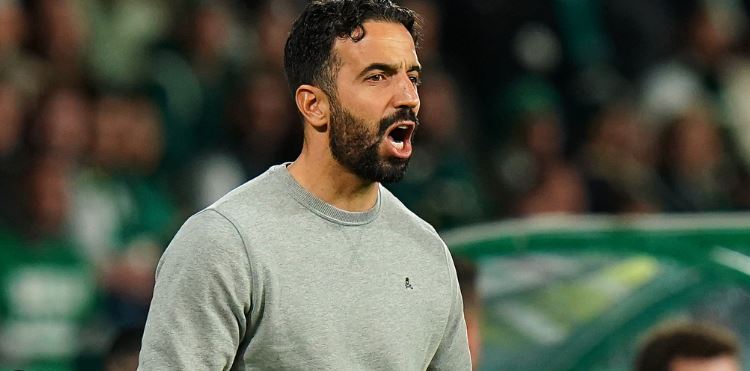
Nonetheless, manager Ruben Amorim played a vital role in the rejection. He expressed that the documentary would serve as an unwelcome distraction amid a challenging season for the team. Given the squad’s recent difficulties, Amorim emphasized that the timing was inappropriate, voicing concerns about the potential negative impacts on team morale and focus. His viewpoint resonated with the Executive Committee, leading to a unanimous decision against the deal. Recently, Manchester United faces a challenging season with only two signings so far, adding to their concerns about team dynamics.
The reasons for rejection encompassed broader implications for team privacy and the safeguarding of sensitive internal information. United’s leadership believed that showcasing the club’s challenges could undermine ongoing first-team rebuilding efforts. With only two signings this season, the situation highlighted the urgency and instability within the organization.
The ramifications of the rejection extend beyond immediate concerns. While the Amazon deal could have offered financial relief, the club favored preserving long-term sporting integrity over short-term commercial advantages.
This decision marks a notable moment in football management, reflecting a deeper commitment to protecting internal operations over capitalizing on a high-profile media opportunity. Such a stance suggests changing priorities regarding team privacy and the focus on sporting performance in an increasingly complex environment.