Image source: bbc.com
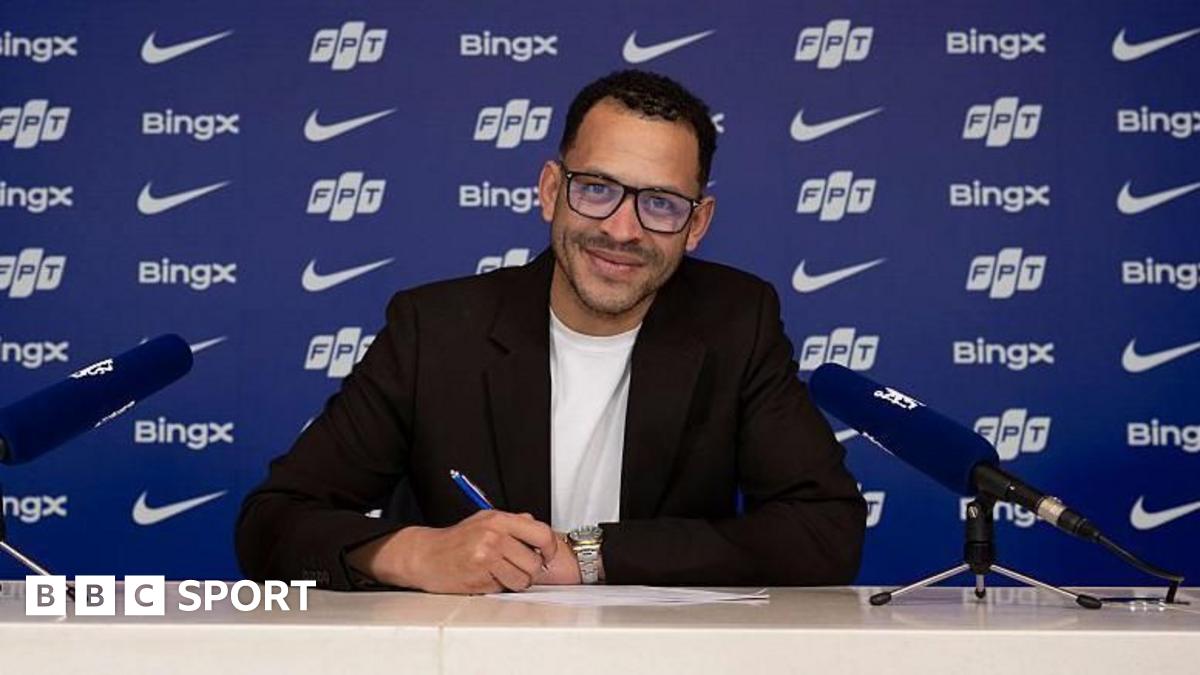
Liam Rosenior becomes Chelsea’s fifth full-time head coach in five years, bringing tactical principles from his time at Hull City and Strasbourg that emphasise preventing numerical disadvantages and using a 3-2-2-3 formation in possession, with the new manager promising fans will be “off their seat in the first 10 minutes” of every match.
How New Chelsea Boss Liam Rosenior Will Set Up His Team Tactically
Rosenior’s defensive approach focuses on stopping opponents having numerical advantages on the last line, with his teams adopting a back-five shape when rivals deploy five attacking players. This formation consists of three central defenders and two wing-backs, though sometimes Rosenior creates the back five by asking a winger to drop alongside the back four. At Chelsea, Pedro Neto may be asked to perform this role given his work-rate, with the five defenders receiving protection from two central midfielders and three narrow attackers.
Higher up the pitch, Rosenior’s Strasbourg maintained the 5-2-3 shape while applying more intense pressure to win back possession. On occasion, the team pressed from a 4-4-2 starting shape when opposition teams built with a back four rather than three. This pressing approach in a 4-4-2 against a back four reduces the distances wide players must cover to apply pressure to opponent full-backs.
Rosenior’s possession tactics see his teams move into a 3-2-2-3 shape when they have the ball, irrespective of how many natural defenders are on the pitch. This mirrors the formation used by predecessor Enzo Maresca at Chelsea, though Rosenior prefers both midfield players to be starting central midfielders rather than inverting a full-back. This approach reduces the likelihood of exposing the middle of the pitch, with Moises Caicedo needing a partner from options including Reece James, Andrey Santos or Enzo Fernandez.
The attacking setup allows Rosenior to experiment with the two attacking midfield positions and two wide roles, often occupied by combinations of wingers, full-backs or wing-backs. If wide defenders excel centrally, they receive licence to move behind the striker, while forwards better suited to moving inside like Cole Palmer or Estevao Willian pair with defenders hugging the touchline. Rosenior has also used one full-back and one attacker centrally with the other full-back and attacker wide, creating flexible attacking variations.
Rosenior’s goalkeeper plays a crucial role in build-up, with Strasbourg’s Mike Penders heavily involved from goal-kicks in a 5-2-4 shape including the keeper. Robert Sanchez will need to adapt to playing risky short passes designed to entice opposition pressing, opening space higher up the pitch for quick combination play. However, Strasbourg have the joint-most errors leading to goals in Ligue 1 this season, raising questions about whether this approach will succeed against Premier League pressing intensity.