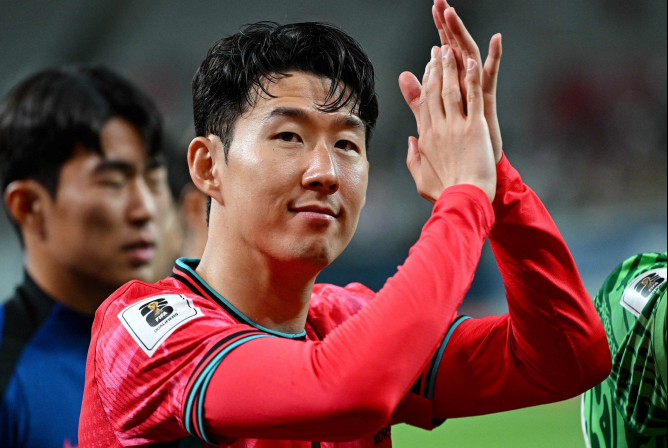
Tottenham Hotspur may be entering a groundbreaking phase as it appears ready to part ways with star player Son Heung-Min. This development raises concerns regarding the ending of the club’s storied golden era, marked by historical achievements and European success. The potential departure could greatly impact the club’s competitive standing in domestic and European competitions. Maintaining the identity while adapting to modern challenges will be vital for the club’s future path. More information on these changes follows.
As Tottenham Hotspur approaches a crucial crossroads in its storied history, the club’s golden era—characterized by significant achievements and a commitment to innovation in football—appears to be coming to an end. This period, particularly defined by the successes of the 1950s and 1960s, saw Tottenham introduce the “push and run” style under Arthur Rowe.
The club’s first Football League title in the 1950-51 season marked a critical breakthrough, followed by Bill Nicholson‘s influential management. Under his leadership, Tottenham achieved the first league and FA Cup double of the 20th century in 1961. During this time, the club also became the first non-League club to win the FA Cup in 1901, establishing a strong foundation for future success.
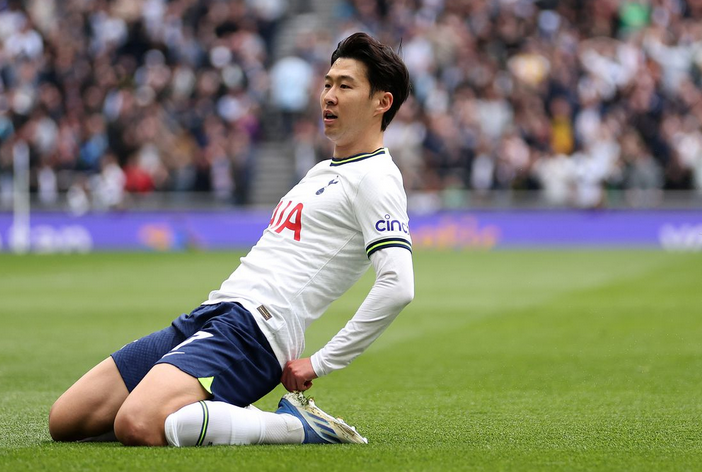
Key figures like Jimmy Greaves solidified Spurs’ reputation, with Greaves netting 266 goals in his tenure. Additionally, Tottenham became the first British team to secure a major European trophy with the European Cup Winners’ Cup in 1963.
Jimmy Greaves defined an era for Tottenham, scoring 266 goals and leading the club to its first major European trophy in 1963.
As the club evolved through the decades, it maintained a level of success, including FA Cup victories and a UEFA Cup win in the 1980s under Keith Burkinshaw. Notably, Tottenham’s most valuable football club status underscores its rich legacy.
However, recent years have seen a shift in fortune. The club, already facing questions about its long-term prospects, now contemplates the potential departure of star player Son Heung-Min. This move could signify a broader change within the squad, challenging the club’s longstanding identity built on historic triumphs and innovation.
Despite modern advancements such as a new stadium and improved training facilities, the potential departure of top talent raises queries about Tottenham’s future ambitions. The club’s ability to maintain its competitive stature in both domestic and European arenas hinges on strategic decisions made in this evolving phase.