Florian Wirtz’s transfer from Bayern Munich to Liverpool, valued at £116 million, was largely influenced by his father’s belief in personal choice and autonomy. Hans-Joachim Wirtz emphasized the importance of pursuing new challenges and a competitive environment in the Premier League. Despite Bayern’s efforts to retain him, including negotiations involving club legends, Wirtz chose to seek growth in a different football culture. This decision highlights both his ambition and the need for Bayern to reassess their midfield options. Further perspectives into this transfer are available.
Florian Wirtz’s recent transfer from Bayern Munich to Liverpool has sparked considerable discussion within the football community. The Premier League club secured Wirtz for a record-breaking £116 million, with £100 million paid upfront and an additional £16 million in performance-related add-ons. Wirtz committed to a five-year contract, extending until at least 2030, marking a significant moment in his career. Wirtz’s decision to join Liverpool comes after ranking as No. 2 on the ESPN 100 list of attacking midfielders, further emphasizing his high demand in the transfer market.
The decision to switch leagues was influenced by Wirtz’s desire for new personal and sporting challenges. The player sought to leave the Bundesliga to test his skills in the fiercely competitive environment of the Premier League. Conversations with former Bundesliga players about their changes reinforced his choice, presenting an opportunity for career growth in a different football culture. Additionally, the empathy shown by coaches like Liverpool’s Arne Slot played a key role in Wirtz’s decision-making process.
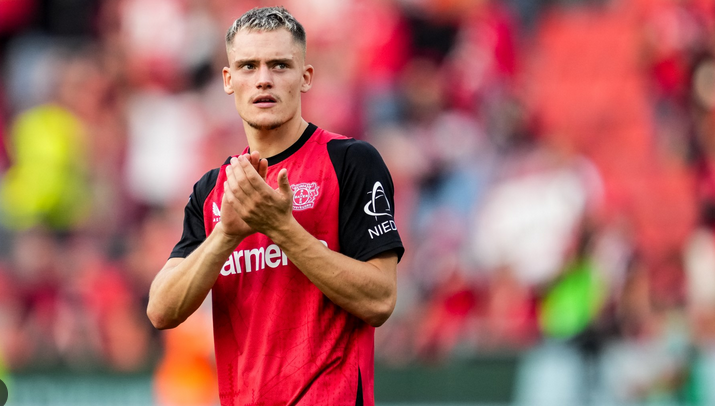
Bayern Munich actively pursued Wirtz, with legends like Uli Hoeneß and Karl-Heinz Rummenigge involved in negotiations. Hoeneß’s personal involvement during Wirtz’s injury recovery was particularly remarkable, encouraging mutual respect.
However, the final offer from Bayern remained unresolved, leaving Wirtz to make the ultimate decision. His father, Hans-Joachim Wirtz, emphasized his son’s autonomy during the process, ensuring a balanced approach to the negotiations.
After Wirtz’s departure, Bayern faced challenges in identifying suitable alternatives in midfield. They unsuccessfully targeted other signings, highlighting the gap left by Wirtz in their squad. This development highlights his value and influences Bayern’s strategic planning.