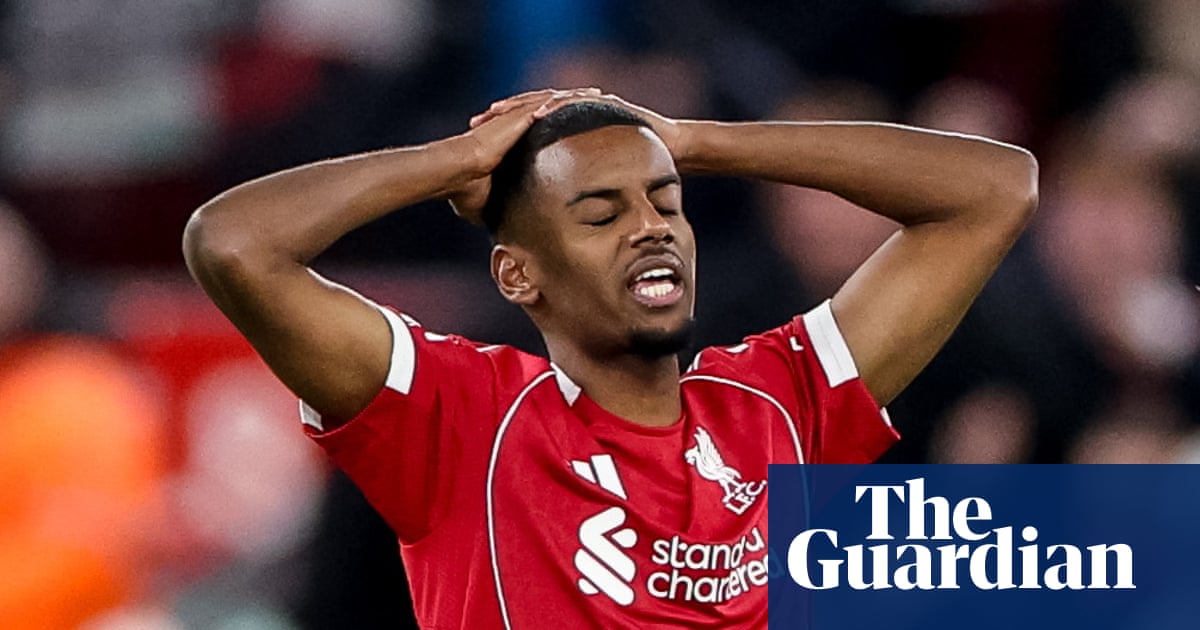
The rivalry between Liverpool and Manchester United is deeply rooted in historical, economic, and cultural factors. Originating during the late 19th century, both cities played crucial roles in the Industrial Revolution. The proximity of approximately 35 miles encourages regional pride. Liverpool was dominant in the 1970s and 1980s, while Manchester United excelled under Sir Alex Ferguson in the 1990s and 2000s. This tension creates highly anticipated matches that echo beyond football, reflecting broader socio-economic ties. Further understanding reveals the intricacies of this enduring rivalry.
Liverpool and Manchester United, both storied clubs in English football, share a rivalry that transcends mere competition. Established in the late 19th century, the clubs have been integral to the fabric of English football. Their rivalry is rooted in historical, geographical, and economic circumstances, all of which contribute to its significance. Much like the intense animosity between Leeds and Manchester United, this rivalry has deep historical roots that span generations.
Geographically, Liverpool and Manchester are situated approximately 35 miles apart in North West England. This proximity has nurtured a natural rivalry between the cities. Historically, both cities played vital roles during the Industrial Revolution, with Manchester known for its cotton industry and Liverpool recognized for its maritime trade. The economic competition between these regions has laid the foundation for the intense rivalry seen on the pitch. The regional pride displayed by supporters of both clubs exemplifies the deep-rooted cultural significance of this derby. While both clubs dominate national attention, Manchester also experiences local football tensions through its own cross-city rivalry between United and City.
The geographic closeness of Liverpool and Manchester fuels a historic rivalry rooted in industrial and economic competition.
On the field, both clubs have enjoyed periods of dominance in English football. Liverpool established itself as a powerhouse in the 1970s and 1980s, winning multiple league titles and European competitions. Conversely, Manchester United rose to prominence under Sir Alex Ferguson, particularly in the 1990s and 2000s, capturing numerous domestic and international titles. This parallel success has only intensified the rivalry, as supporters often benchmark their team’s achievements against the other. The growing MLS popularity in America has introduced this historic rivalry to a new audience of soccer enthusiasts.
The rivalry extends beyond trophies. Matches between the two clubs, known as the North West Derby, are highly anticipated events in the football calendar. They attract large audiences, not only due to the historical significance but also due to the passionate fan bases that support each team. The outcome of these matches can have significant implications for league standings and reputations, further deepening the stakes. The fierce derby atmosphere during these matches creates some of the most anticipated encounters in English football.
Frequently Asked Questions
How Do Liverpool and Manchester United’s Fanbases Perceive Each Other?
Liverpool and Manchester United’s fanbases often perceive each other through a lens of intense rivalry. Each side believes their team embodies superiority, leading to passionate exchanges and a lively, competitive atmosphere in both clubs’ histories.
What Are Some Memorable Matches Between Liverpool and Manchester United?
Numerous memorable matches between Liverpool and Manchester United have defined football history, including the thrilling 1994 3-3 draw and the intense 2009 encounter, both showcasing fierce competition and passionate performances that enchanted fans across the globe.
How Has the Rivalry Evolved Over the Decades?
Over decades, the rivalry between Liverpool and Manchester United intensified, shaped by historical successes, fan passion, and significant matches. Economic factors and regional honor further fueled competition, developing into one of football’s most iconic and enduring rivalries.
What Role Do Media Narratives Play in This Rivalry?
Media narratives greatly shape perceptions and emotional responses surrounding the rivalry, amplifying tensions through coverage, commentary, and analysis. This portrayal reinforces existing animosities, influencing fan attitudes and heightening the stakes during matches between the teams.
Are There Any Famous Players Associated With Both Clubs?
Both Liverpool and Manchester United have seen legendary players grace their teams. Icons like Michael Owen, who played for both clubs, and more recently, players such as Paul Pogba, have further fueled interest in their storied histories.